
EV Charging
 EV Charging in Las Vegas, Nevada
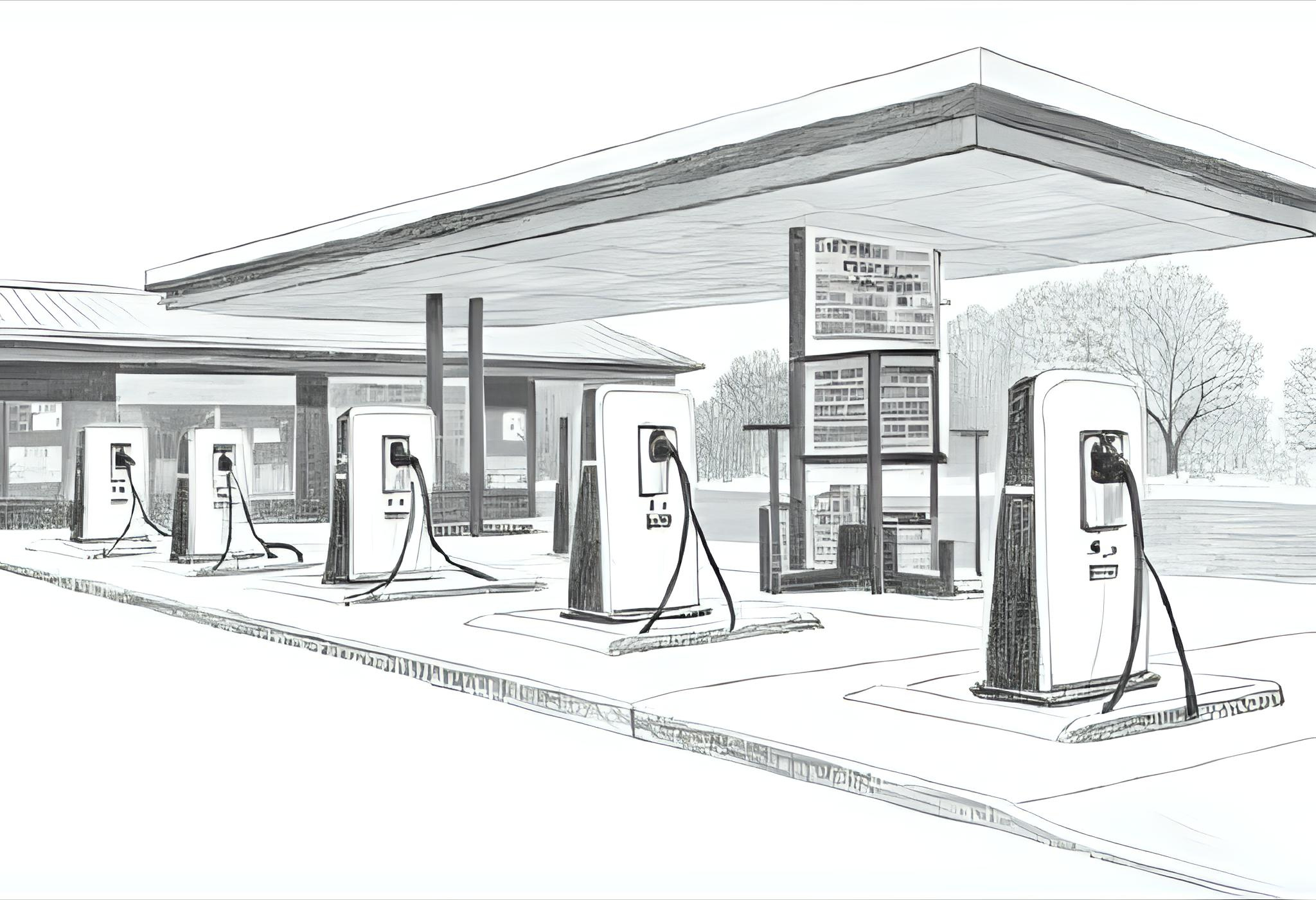
Electric vehicles (EVs) are becoming an increasingly popular alternative to traditional fuel-based cars. Primarily being used to reduce emissions in the environment, and have lower fuel costs. As a result, this new alternative introduces a unique and recent way to charge cars—EV charging stations.[1] Electric vehicles, which include both battery electric cars (BEVs) and plug-in hybrids (PHEVs), can be charged at stations using either type.
In Nevada, these charging stations are located throughout the state, especially in Las Vegas. Plugshare data reports that Las Vegas provides approximately 1720 charging stations, 236 stations available free of charge.[2] In fact, these stations can be found in various locations where EV-installed spaces are possible. Such as retail shopping centers and malls, casinos and hotels, airports, universities, c-stores, fuel stations, retail locations, or set up at homes. Our recent project in North Las Vegas at North 5th and Lake Mead, adjacent to the Starbucks, has EV Charging.
EV Charging Stations Vs Gas Stations
EVs continue to grow in popularity. Its important to understand both similarities and differences of EV charging stations and traditional gas stations.
Like gas stations, EV charging stations can be found in a variety of locations such as retail locations, universities, etc. In these stations, PHEVs can connect to a power source to recharge the car like refueling a car’s gas.
However, unlike gas stations, some EV stations offer the ability to charge wirelessly. Companies like WiTricity provide technology where EVs only need an electric charging pad to charge without the need to plug-in.[3] This is beneficial for drivers that don’t want to take more steps into charging their electric motor vehicle. In fact, a major key difference is that homes are EV-capable. EV chargers can be installed at home, giving the drivers the convenience of charging overnight without having to make a trip to the gas/ charging station.
Is EV Charing Cheaper than Gasoline Prices?
The AAA states that current gas prices in Nevada average $3.81 per gallon, while EV charging prices average $0.42 per kilowatt-hour (kWh).[4] According to Kelley Blue Book, a driver drives approximately 1,207 miles per month,[5] in which we can use this to calculate a rough estimate of the overall monthly costs of both prices. Electric SUVs typically travel 3-4 miles per kWh, being around 345 kWh per month an EV would use in total, costing roughly $144.90. Cars that require gas, on the other hand, typically average around 25 miles per gallon. Meaning that a driver would have to use approximately 48.3 gallons per month, which would cost roughly $183.91. In this scenario, using EV charging results in about 24% savings compared to gasoline prices.
Although much slower in “charging” a car as refueling a car typically takes only two minutes it’s overall beneficial in an economic stance.[6] Additionally, the cost of EV charging has the potential to cost less if a driver is primarily charging at home as the driver won’t be prompted to pay for charging their vehicle at a charging post.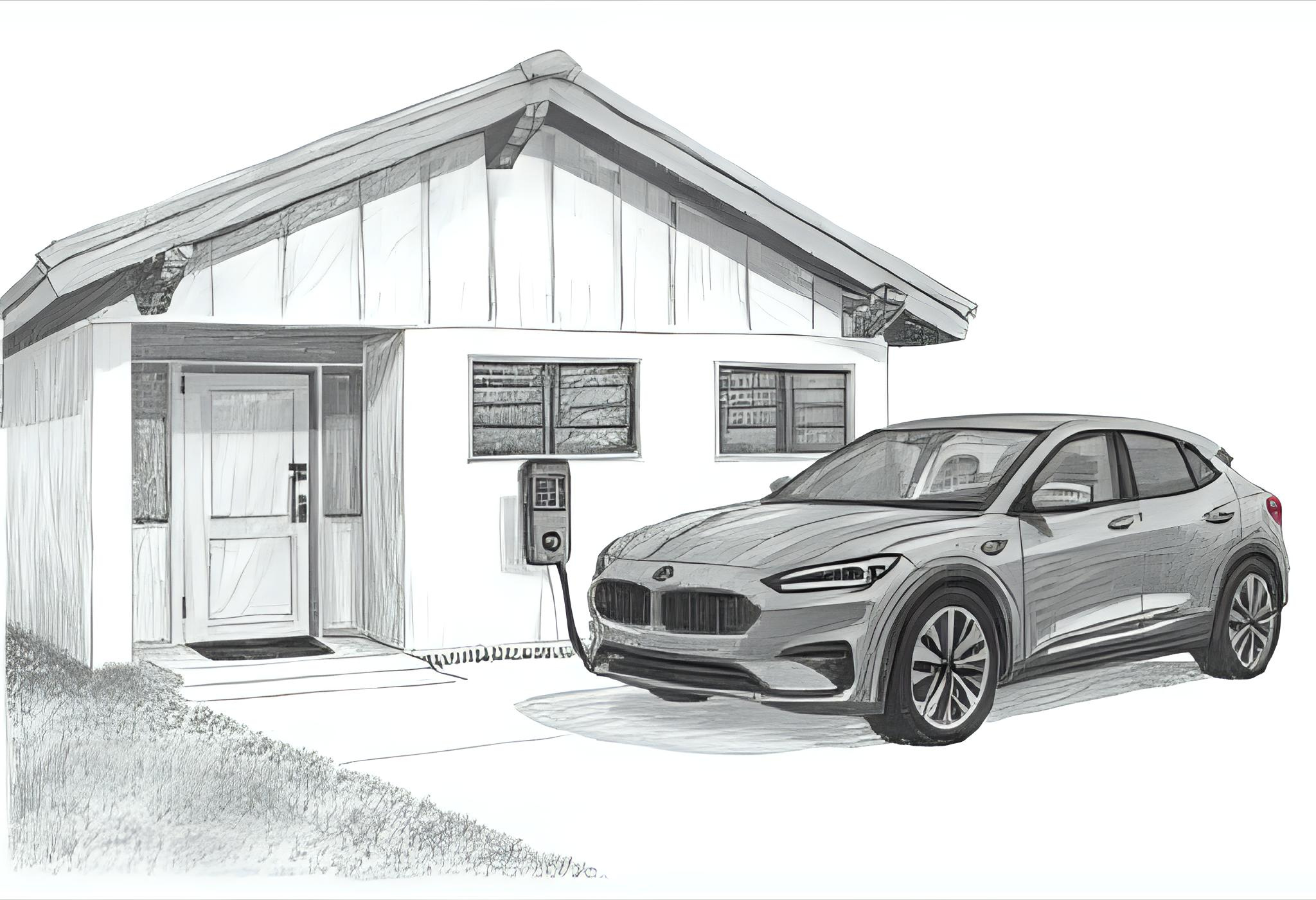
The Different Levels of EV Charging Stations
There are three different levels an EV can be charged, purely dependent on the type of station and available power. According to the U.S. Department of Transportation, the types of charging accessible: Level 1 is where initial charging starts, which powers about 120 volts (V), like a standard outlet. This level can provide about 3-5 miles of range per hour. Typically, it’s ideal for overnight use, especially for plug-in hybrids (PHEVs), taking 5-6 hours to reach 80% and over 40+ hours for a full battery electric vehicle (BEV).
In contrast, Level 2 charging delivers 208V-240V and are commonly found at homes, workplaces, or public stations. Offering 10-20 miles of range per charging hour, it’s able to charge a BEV to 80% in 4-10 hours or a PHEV in 1-2 hours.
Finally, Level 3, commonly referred to as DC fast charging, delivers 400V-1000V, which is the fastest option. Found at public stations, it’s able to charge only a BEV for 80% in just 20 minutes to 1 hour.[7] This is because DC fast charging has specialized connectors such as the CCS connector which not all electric-powered vehicles support.[8]
How EV Charging Stations Work
There are four steps for a driver to take to charge their EV. First: Setup. Second: Authentication. Third: Charging. And finally, Fourth: Charging completion.[9]
First, during setup the driver will connect the vehicle to the charging station with either a physical plug (PHEV) or a wireless link (BEV).
Secondly, authentication occurs after establishing the connection, prompting the user to authenticate the session between the car and the charging station. This is to allow secure communication and connection between the two (depending on the location it will also prompt the user to pay).
Third: Charging begins once authentication is successful, having power transferring from the station to the electric-powered car.
Finally, Forth: Charging completion happens once the vehicle is charged at the driver’s desired level, allowing the driver to continue driving after they disconnect from the station.
Why EV Charging Matters
 Why EV Charging Matters
It’s important to acknowledge that cities like Las Vegas, which attract many tourists and visitors, can benefit from EV charging stations. These stations can overall help conserve energy and be a greater alternative to fossil fuels like oil, which most drivers typically rely on.
Recent data forecasts from BloombergNEF showcase how compared to 2024, the outlook of EVs have lowered in 2025. Despite this outlook, it’s important to recognize that the growing trend towards EVs continues to remain upward. With there being expectations towards how quickly EVs will adopt and grow in the U.S.[10] By being able to make EV charging stations as common and accessible as gas stations, cities like Las Vegas can help a wave of new drivers that are committing to cleaner and energy-efficient travel. Ensuring for a clean energy future.
SCA Design Can Help Integrate Your Next EV Charging Station
Are you considering adding EV Charging into your commercial retail shopping center, c-store, or custom luxury residential building? If so, SCA Design and their team of experienced architects and engineers can help design and coordinate EV charging site plans. Inquire today about integrating EV charging stations into your next design build or construction project.
Start Your Project with SCA Design
Looking for experienced licensed architects in Nevada, Arizona, Utah, and Idaho? Let us bring your vision to life! Read more about the process here. Schedule a free consultation with our expert architects today! Call SCA Design at 702-719-2020.
Comprehensive Architectural Services
At SCA Design, we offer a full range of architectural and design services, including:
Commercial architecture – Office buildings, retail spaces, land development, urban infill
Multi-Family architecture – Affordable housing, worker housing, apartment housing, community centers
Residential architecture – Custom luxury homes and high-end residential projects, Casita Accessory Dwelling Unit (ADU)
Retail architecture – Ground-up, freestanding, gray shell and second generation
Casino & Hospitality design – Casinos, entertainment venues, and sports facilities
Restaurant design– Restaurant architecture, QSR, food court and coffee shop design
Warehouse architecture – Industrial, Manufacturing, and Warehouse Office
Interior Design – Thoughtful model home design, stunning interiors, space planning, blending aesthetics with functionality, inclusivity, tailored experiences, and technology.
>Tenant improvements & renovations – Enhancing and repurposing existing spaces, façade, adaptive reuse
Master Planning & Entitlements – Concept design, programming, site evaluation, zoning variance, rezoning, special permitting and approvals, design review with AHJ
Self-certified Architect & Quick permit – CD Permit Set alternative to Building Department building plan review for code compliance*
Construction Services- Project management, construction management, bid and permit support.
We specialize in design-build, design-assist, and ground-up architectural design. Our firm also integrates ADA accessibility, LEED-certified sustainability, and green energy solutions to meet modern green building standards.
About the Author
My name is Gabby Bazan, I am a summer intern at SCA Design. I have had the opportunity to research and develop website blogs to inform potential clients about architecture-related topics. This process has strengthened my ability to create engaging content that resonates across generations. Throughout the summer, I also contributed to Instagram content creation and gathered quality information to deliver thorough and informative content for readers. I had the experience of learning with the use of AI tools. This experience has helped me deepen my knowledge about marketing. While also providing me with valuable insight into working in a professional environment.
Footnotes: